

Issue Briefs

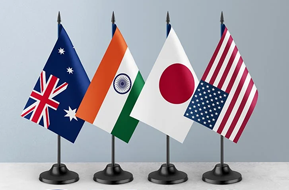
The Quad After Manila: US Policy Shifts And India’s Risk Management
The post-Manila Quad reveals a strategic inversion: a grouping once tempered by Indian caution now faces American declaratory ambiguity, even as practical cooperation deepens. This brief makes the case for India to move beyond reluctant participation and emerge as a strategic anchor, fostering greater regional coherence amid uncertainty over the continuity of Washington’s commitment.

The Indus Waters Treaty at Crossroads: Law, Security and Geopolitics in South Asia
The Indus Waters Treaty stands at a crossroads as India’s security concerns collide with legal contestation, geopolitical rivalry and climate change. Can pragmatic diplomacy reconcile strategic interests with the imperatives of water security?

Israel’s 2026 Election: Another Saga of Electoral Stalemate
Israel’s 2026 Knesset election unfolds amid domestic polarisation, prolonged conflict and regional instability. The contest will test Benjamin Netanyahu’s political survival following the security failures of 7 October 2023, the Gaza war and escalating regional tensions.

The Disaster and After: Issues and Challenges in Nepal after the Bhote Koshi Floods
The 2026 Bhote Koshi flash flood devastated northern Nepal, highlighting severe transboundary early-warning lacunae. Prime Minister Balendra Shah framed the tragedy as a climate justice issue at the UN, calling for regional cooperation and non-repayable reconstruction aid.
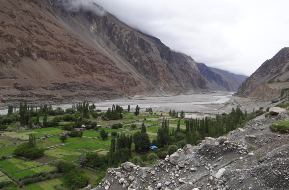
Voices of the Borderland: Identity, Heritage, and Representation of Balti Noorbakshias in Turtuk
Turtuk’s Noorbakshia Baltis navigate split borderland identities following 1971. Preserving their unique language and Sufi heritage, they now seek political representation, linguistic recognition, and balanced development within India.

Strategic Essay: Indus Water Treaty in Abeyance: India, Pakistan and the Limits of Pacta Sunt Servanda
India’s suspension of the Indus Waters Treaty tests pacta sunt servanda. This paper analyses legal doctrines, arbitration limits, and security imperatives shaping India’s contested yet arguable stance on treaty abeyance.
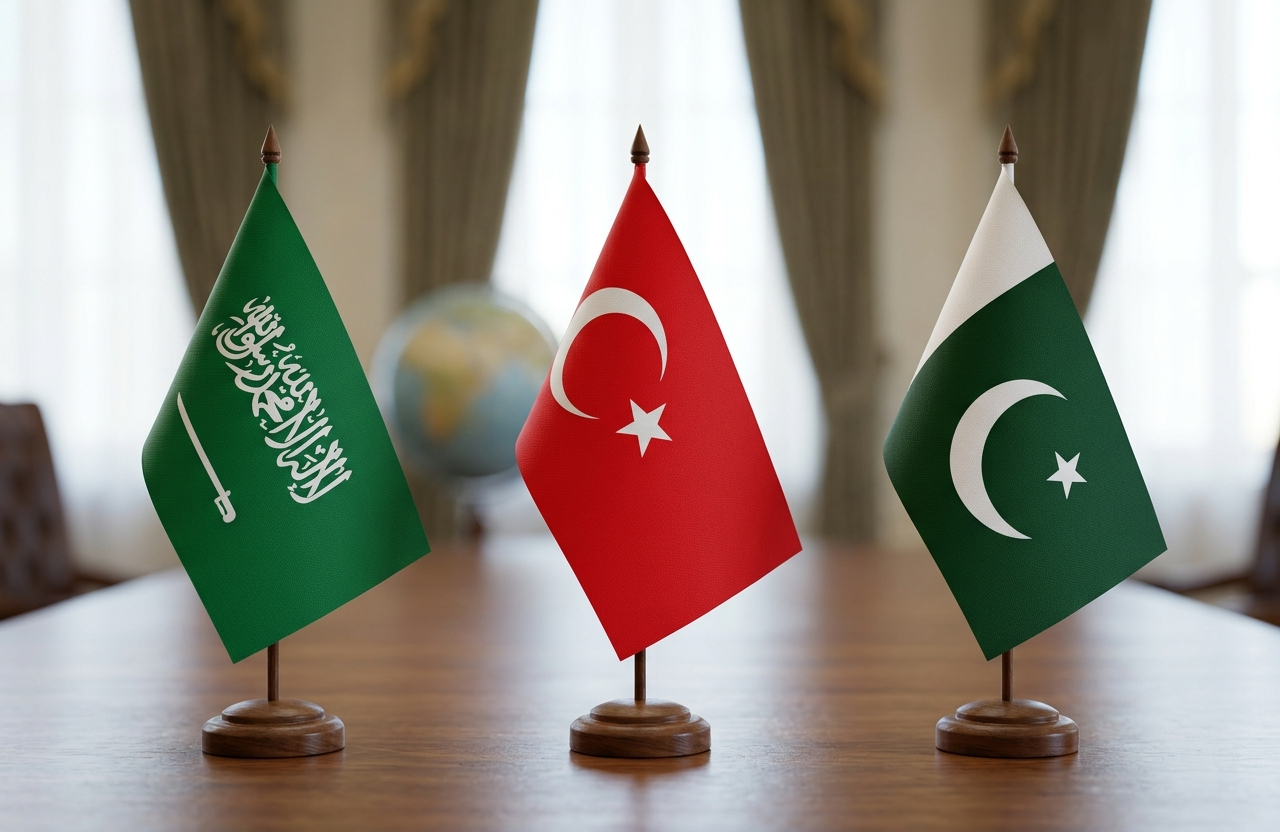
The Saudi-Turkey-Pakistan Trilateral Security Partnership: Strategic Convergence and Regional Implications
The Makkah defence pact unites Saudi Arabia, Türkiye, and Pakistan in a collective-security framework. Symbolic yet strategically significant, it diversifies Gulf security, expands Ankara’s footprint, and boosts Islamabad’s relevance—reshaping regional alignments and complicating India’s strategic calculations.

From Disruption to Coercion: The Evolving Houthi Challenge in the Red Sea
Houthis have transformed Red Sea attacks into maritime coercion, leveraging Iran’s support but pursuing independent aims. Persistent insecurity looms, with dual chokepoint disruption posing severe risks to global trade and energy.

The Narrative Battlefield: Democratic Dissent in India and Information Warfare by Pakistan
As Pakistan faces mounting internal challenges, its information warfare apparatus is intensifying propaganda campaigns against India to divert attention from domestic crises. The battle over Kashmir is increasingly being fought not only on the ground but also in the realm of narratives and global perceptions.
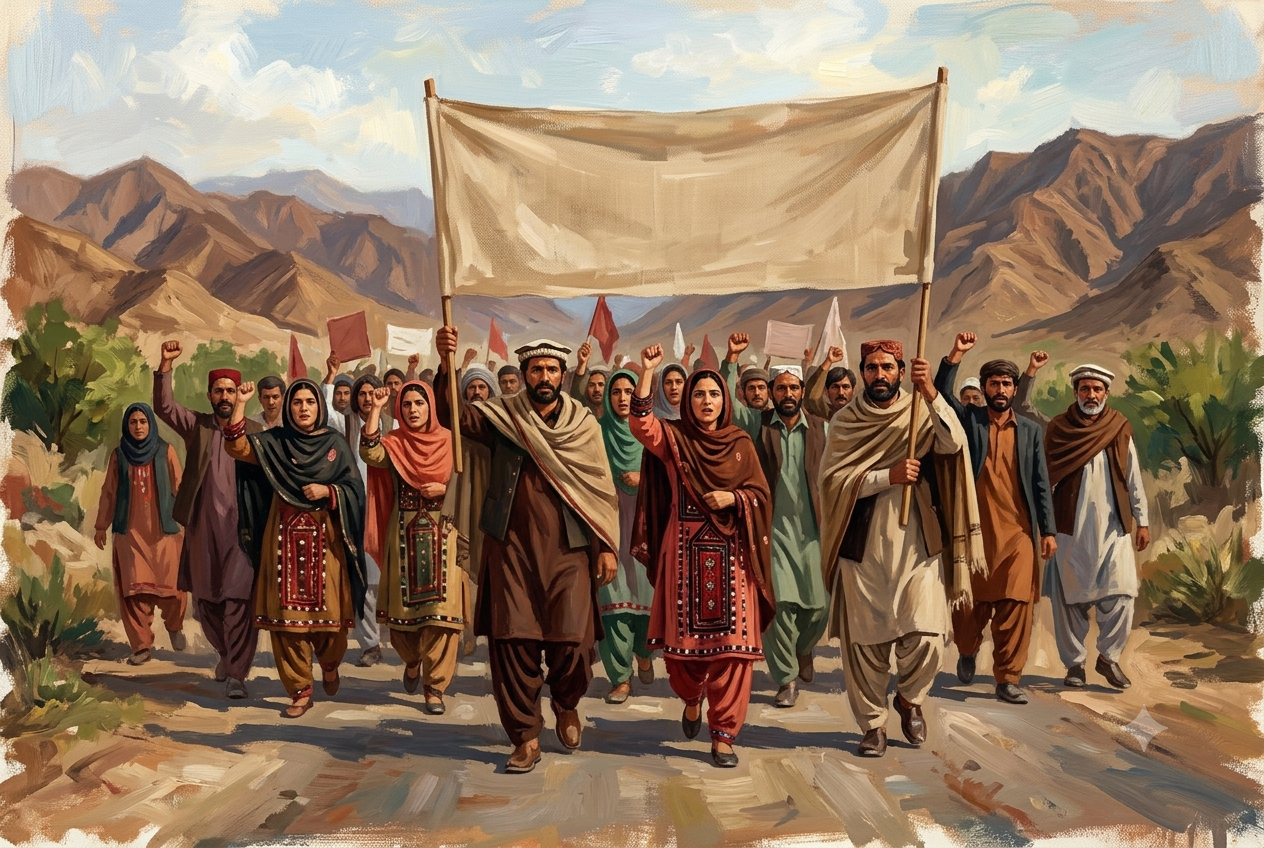
The Breaking Point in Balochistan: Failure of Pakistan’s Governance Model and Making of a Multi-Front Conflict
Balochistan has become the epicentre of Pakistan’s growing internal security crisis, where decades of militarisation, political alienation, and economic neglect have deepened instability. The failure to address governance and development challenges has transformed the province into a multi-front conflict zone.