
Issue Briefs

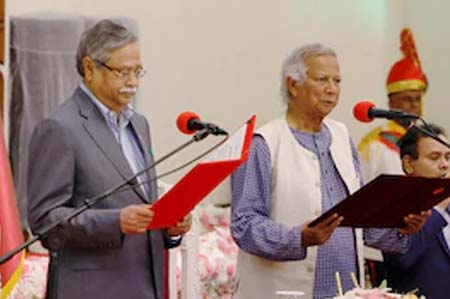
Bangladesh at a Crossroads: Interim Government Paving the Way for Islamic Radicalism
The changing political and ideological environment in Bangladesh has significant consequences for its internal unity, the status of its minority groups, and its future relations with regional countries, especially India.

Visit of Sri Lankan President to India: Issues at Stake
The first country that the newly elected President of Sri Lanka Anura Kumara Dissanayake chose to visit was India like many of his predecessors, emphasising the special relationship the island nation has with India. However, in his case it was important because the party he hailed from had a historical ruse with India and was regarded as pro-China.
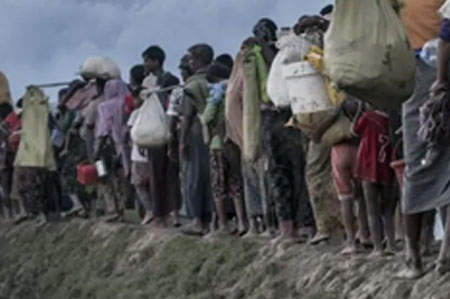
Rohingya Crisis: Security Concerns and Diplomacy Dilemma for India
The Rohingya crisis, stemming from the persecution of the minority Rohingya Muslim population in Myanmar in recent years, has garnered significant attention in India. The illegal migration of Rohingyas seeking refuge from Myanmar is increasingly viewed as a considerable security threat within India.
Books/Journals
You haven’t created any frontpage content yet.
Congratulations and welcome to the Drupal community.
Drupal is an open source platform for building amazing digital experiences. It’s made, used, taught, documented, and marketed by the Drupal community. Our community is made up of people from around the world with a shared set of values, collaborating together in a respectful manner. As we like to say:
Come for the code, stay for the community.
Get Started
There are a few ways to get started with Drupal:
- User Guide: Includes installing, administering, site building, and maintaining the content of a Drupal website.
- Create Content: Want to get right to work? Start adding content. Note: the information on this page will go away once you add content to your site. Read on and bookmark resources of interest.
- Extend Drupal: Drupal’s core software can be extended and customized in remarkable ways. Install additional functionality and change the look of your site using addons contributed by our community.
Next Steps
Bookmark these links to our active Drupal community groups and support resources.
- Global Training Days: Helpful information for evaluating Drupal as a framework and as a career path. Taught in your local language.
- Upcoming Events: Learn and connect with others at conferences and events held around the world.
- Community Page: List of key Drupal community groups with their own content.
- Get support and chat with the Drupal community on Slack or DrupalChat. When you’re looking for a solution to a problem, go to Drupal Answers on Stack Exchange.


Comments
Perspective from Bangladesh: Balancing Economics with Geography: Why Dhaka’s China Success Demands a Pivot to India
Simon Mohsin
While Tarique Rahman’s China visit delivered economic and political success, geography dictates that Dhaka must balance this by stabilising relations with India to effectively manage permanent, vital neighbourly and regional interests.
AJK (PoK)’s Political Pulse Amid Continuing Unrest: Reading Between the Lines
Nazir Ahmad Mir
The banning of the grassroots JKJAAC has sparked fatal unrest in AJK (PoK), exposing Islamabad’s rigid control, structural political manipulation, and the military’s violent suppression of genuine local governance.
Governance deficit, Grievances, and the Criminalisation of Dissent: The Crisis of Constitutional Legitimacy in AJK(PoK)
Mohammad Usman Bhatti
This comment examines the constitutional crisis in the so-called Azad Jammu and Kashmir (AJK), detailing how contested refugee seats and federal overreach sparked mass protests, leading to a state-sponsored anti-terrorism crackdown ahead of the 2026 elections