
Date
For years, this community has endured systematic targeting, with little to no substantial response from the state to protect its citizens or address the root causes of these attacks

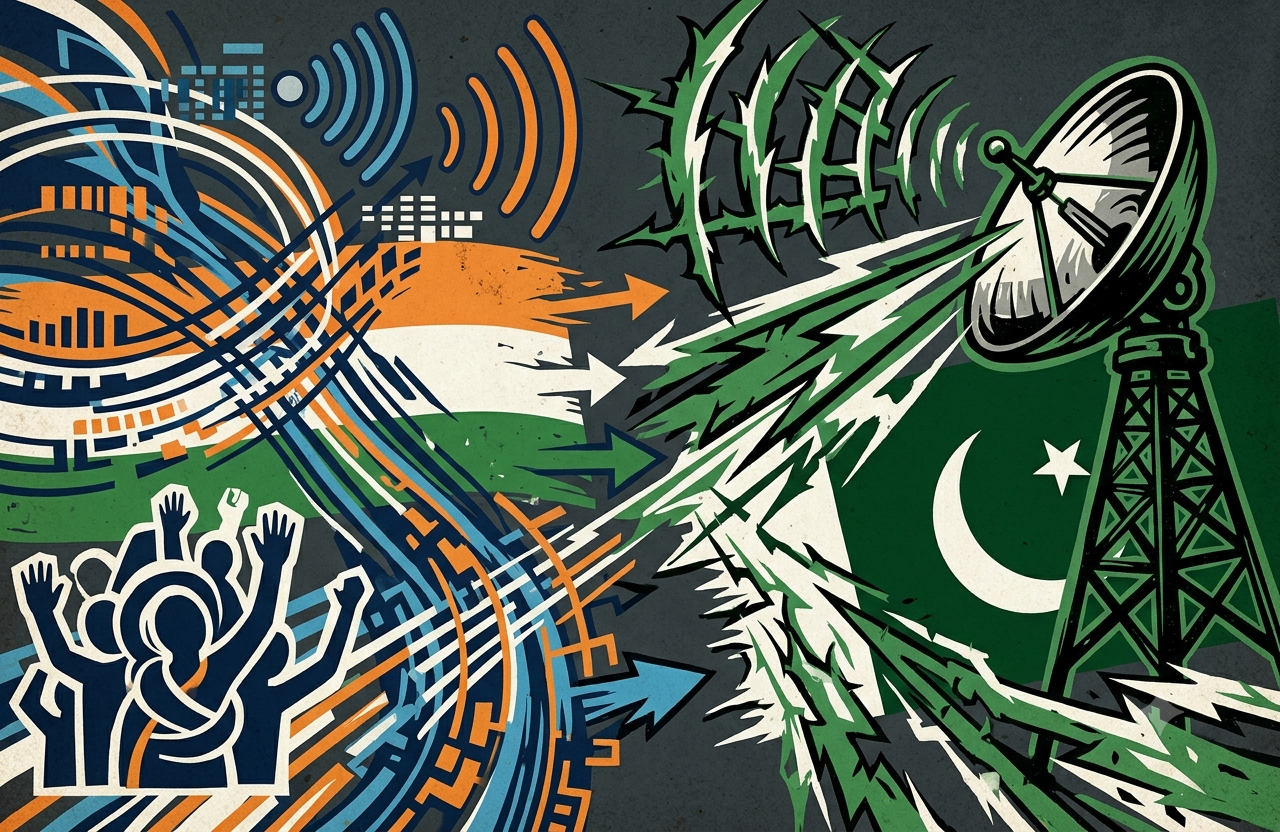
As Pakistan faces mounting internal challenges, its information warfare apparatus is intensifying propaganda campaigns against India to divert attention from domestic crises. The battle over Kashmir is increasingly being fought not only on the ground but also in the realm of narratives and global perceptions.
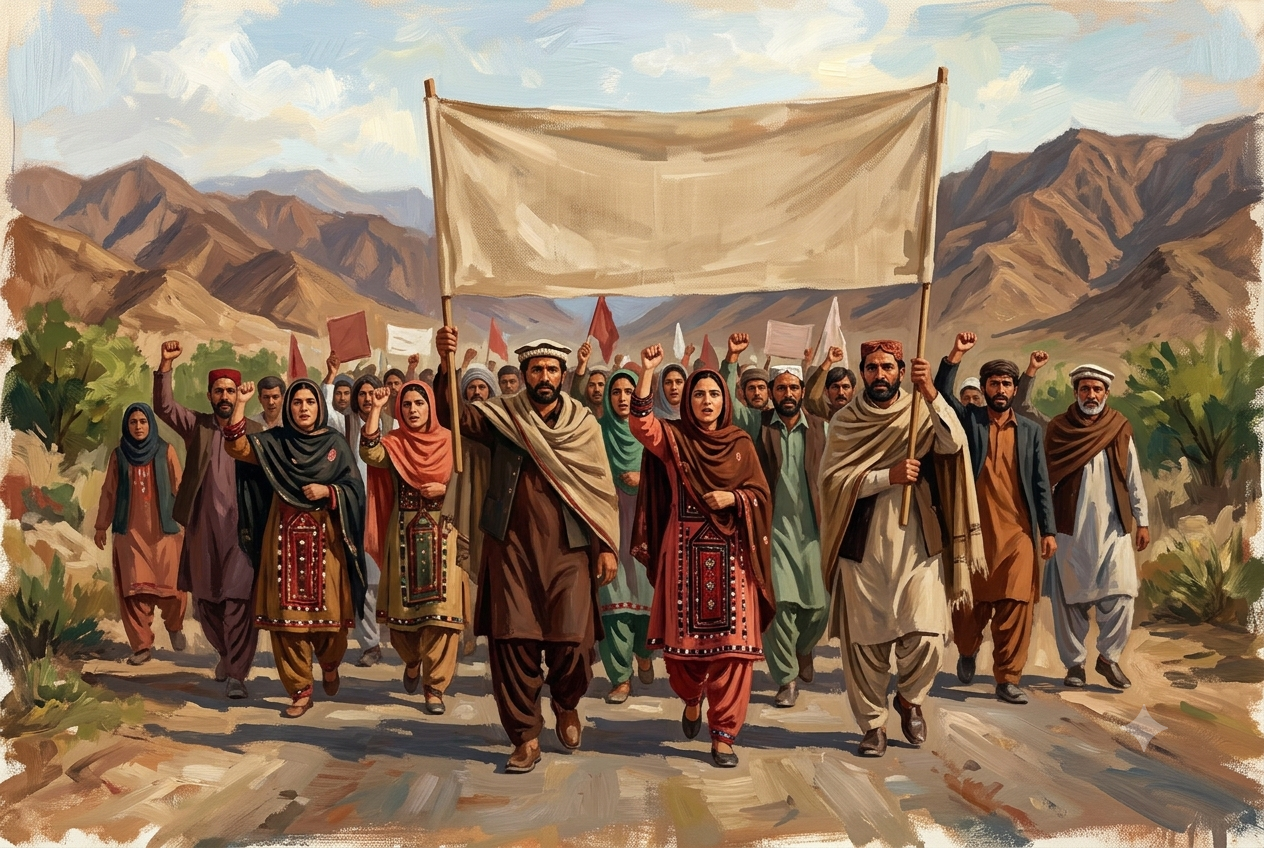
Balochistan has become the epicentre of Pakistan’s growing internal security crisis, where decades of militarisation, political alienation, and economic neglect have deepened instability. The failure to address governance and development challenges has transformed the province into a multi-front conflict zone.
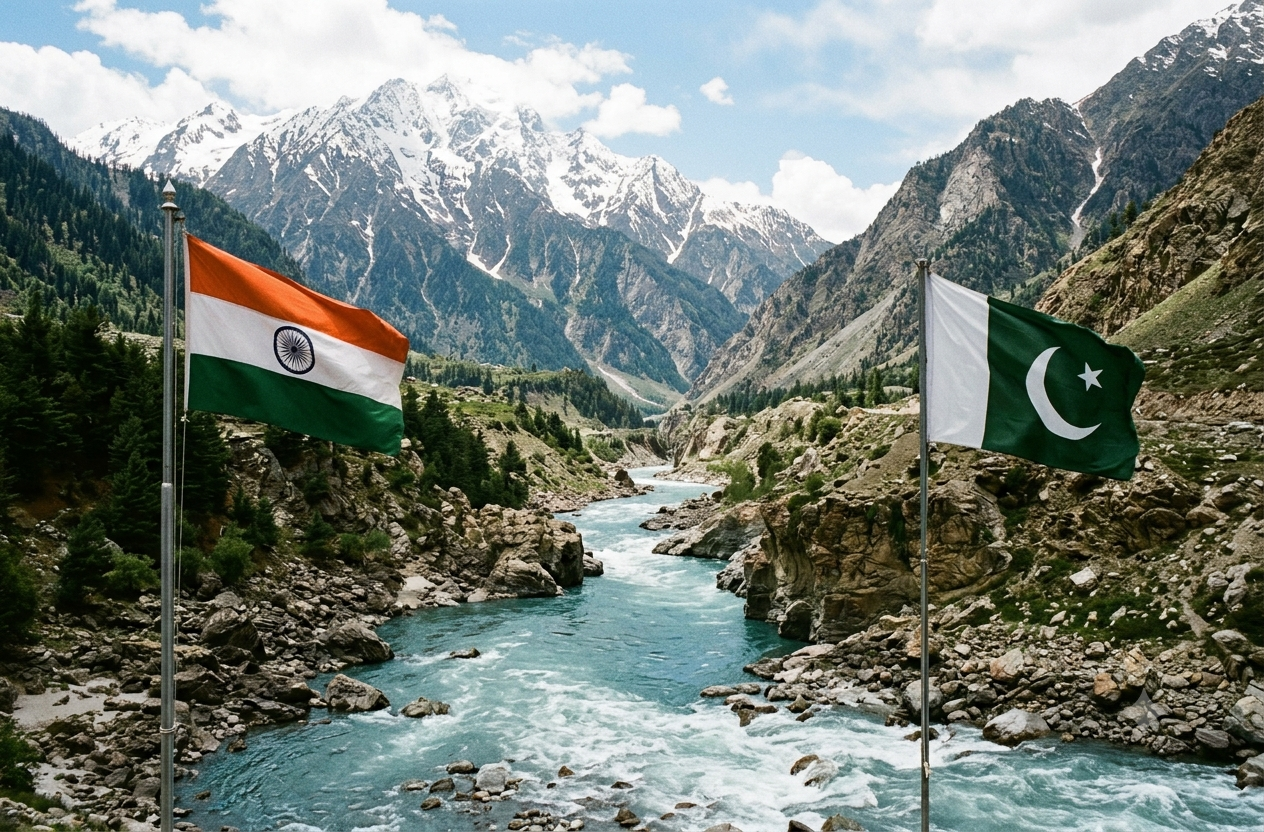
This issue brief analyses the strategic obsolescence of the 1960 Indus Waters Treaty against the backdrop of Pakistan's cross-border terrorism, severe climate stress, and domestic water mismanagement. It highlights the immense developmental costs borne by Jammu and Kashmir, justifying India’s decision to condition future hydro-cooperation on regional security and ecological realities.

Topic: “US under Trump 2.0: Issues, Challenges and Future Directions for India and the World”
For years, this community has endured systematic targeting, with little to no substantial response from the state to protect its citizens or address the root causes of these attacks
While Donald Trump’s leadership style may appear erratic, it is underpinned by consistent geo-economic and geostrategic motivations
As India formalises its engagement with the Taliban, it is clear that New Delhi’s strategy is driven by long-term strategic objectives such as maintaining peace and stability in Afghanistan, strengthening regional cooperation, and protecting India’s security and economic interests.
On 4 July 2024, Centre for Peace Studies (CPS) launched the Book Jammu and Kashmir in India: The Saga of Development authored by Sheikh Khalid Jehangir at the
Sheikh Khaild Jehangir, Secretary General, ICPS, addressed Y20 consultation meet on climate change under India’s G20 presidency in Srinagar on Thursday, 11 May 2023 at University of Kashmir.
Mr. Mekki El Mograbi, Media Consultant and Head, International Relations, Sudan Centre for Thinktanks and Strategic Studies, Khartoum, Sudan, visited ICPS on 28 March 2023 and interacted with the scholars.
Dr Aleksei Zakharov, Research Fellow, Higher School of Economics (HSE), Moscow interacted with the researchers at ICPS on 17 March 2023. There was a free exchange of views on the evolving political and security situation in the Eurasian region including Afghanistan.
Andreas Mountzouroulias. @andreasmoun, Editor in chief of directus.gr visited ICPS on 10 March 2023, Friday, and interacted with the researchers.
Marco Respinti, Director-in-Charge, Bitter Winter, visited International Centre for Peace Studies (ICPS) on 14 December 2022 and interacted with the scholars of the Centre.
On the occasion of Kashmir Accession Day International Centre for Peace Studies (ICPS)
organised Book Launch of The Two Kashmirs authored by Sheikh Khalid Jehangir


Comments
Pakistan, Eight Decades Later: The Unravelling of Pakistan’s Founding Dreams
Imran Khurshid
Decades after shedding British rule, the Pakistani people are still fighting for freedom—this time, from the very state institutions that claim to protect them.
Securing the Supply Chain: Critical Minerals and India’s Quest for Defence Self-Reliance
Mohammed Shoaib Raza
India’s defence self-reliance is threatened by severe vulnerabilities in critical mineral refining. Discover how strategic policy shifts, processing corridors, and mineral reserves can bridge the gap to true technological sovereignty.
SCO Bishkek Summit 2026 and India as a Valuable Stakeholder
Mohammed Badrul Alam
The 2026 Bishkek Summit highlights the SCO's Eurasian ambitions. India leverages the bloc for counterterrorism, connectivity, and cultural diplomacy while navigating complex regional challenges and balancing its Western strategic partnerships.