




Issue Briefs

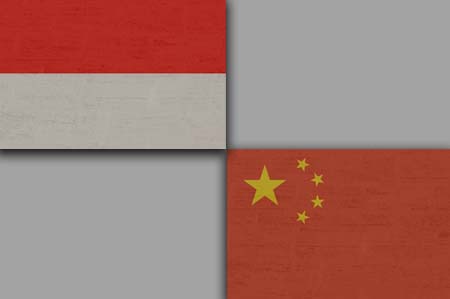
Indonesia’s Balancing Act : Between Contestation and Cooperation with China
Indonesia, Southeast Asia's largest economy, balances economic ties with China while asserting its sovereignty amid tensions in the South China Sea. China's maritime claims and illegal fishing in Indonesia's Exclusive Economic Zone (EEZ) in the....

Impact of Pakistan’s Internal Dynamics on China-Pakistan Cooperation
The Issue Brief examines how Pakistan’s internal dynamics impact its cooperation with China, particularly through the China-Pakistan Economic Corridor (CPEC), launched in 2015. It traces the evolution of Sino-Pak relations, highlighting their strategic....
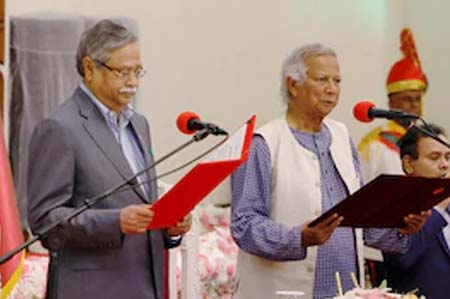
Bangladesh at a Crossroads: Interim Government Paving the Way for Islamic Radicalism
The changing political and ideological environment in Bangladesh has significant consequences for its internal unity, the status of its minority groups, and its future relations with regional countries, especially India.
Books/Journals
You haven’t created any frontpage content yet.
Congratulations and welcome to the Drupal community.
Drupal is an open source platform for building amazing digital experiences. It’s made, used, taught, documented, and marketed by the Drupal community. Our community is made up of people from around the world with a shared set of values, collaborating together in a respectful manner. As we like to say:
Come for the code, stay for the community.
Get Started
There are a few ways to get started with Drupal:
- User Guide: Includes installing, administering, site building, and maintaining the content of a Drupal website.
- Create Content: Want to get right to work? Start adding content. Note: the information on this page will go away once you add content to your site. Read on and bookmark resources of interest.
- Extend Drupal: Drupal’s core software can be extended and customized in remarkable ways. Install additional functionality and change the look of your site using addons contributed by our community.
Next Steps
Bookmark these links to our active Drupal community groups and support resources.
- Global Training Days: Helpful information for evaluating Drupal as a framework and as a career path. Taught in your local language.
- Upcoming Events: Learn and connect with others at conferences and events held around the world.
- Community Page: List of key Drupal community groups with their own content.
- Get support and chat with the Drupal community on Slack or DrupalChat. When you’re looking for a solution to a problem, go to Drupal Answers on Stack Exchange.


Comments
Silencing Dissent, Fuelling Despair: The Arrest of Mahrang Baloch and the Dangerous Transformation of the Baloch Conflict
Syed Eesar Mehdi
The article examines how Mahrang Baloch’s imprisonment and the rise of female suicide bombers reflect a dangerous convergence of shrinking democratic space and evolving militancy, challenging Pakistan’s long-term strategy for restoring peace and order.
Fusion of Sushi and Samosa: Evaluating Japanese PM Sanae Takaichi’s Visit to India
Mohammed Badrul Alam
Japanese PM Sanae Takaichi’s visit to India underscores a robust strategic partnership. Driven by China's regional dominance, both democracies are aligning on defence, technology, and economic diversification to secure a balanced Indo-Pacific.
Perspective from Bangladesh: Balancing Economics with Geography: Why Dhaka’s China Success Demands a Pivot to India
Simon Mohsin
While Tarique Rahman’s China visit delivered economic and political success, geography dictates that Dhaka must balance this by stabilising relations with India to effectively manage permanent, vital neighbourly and regional interests.